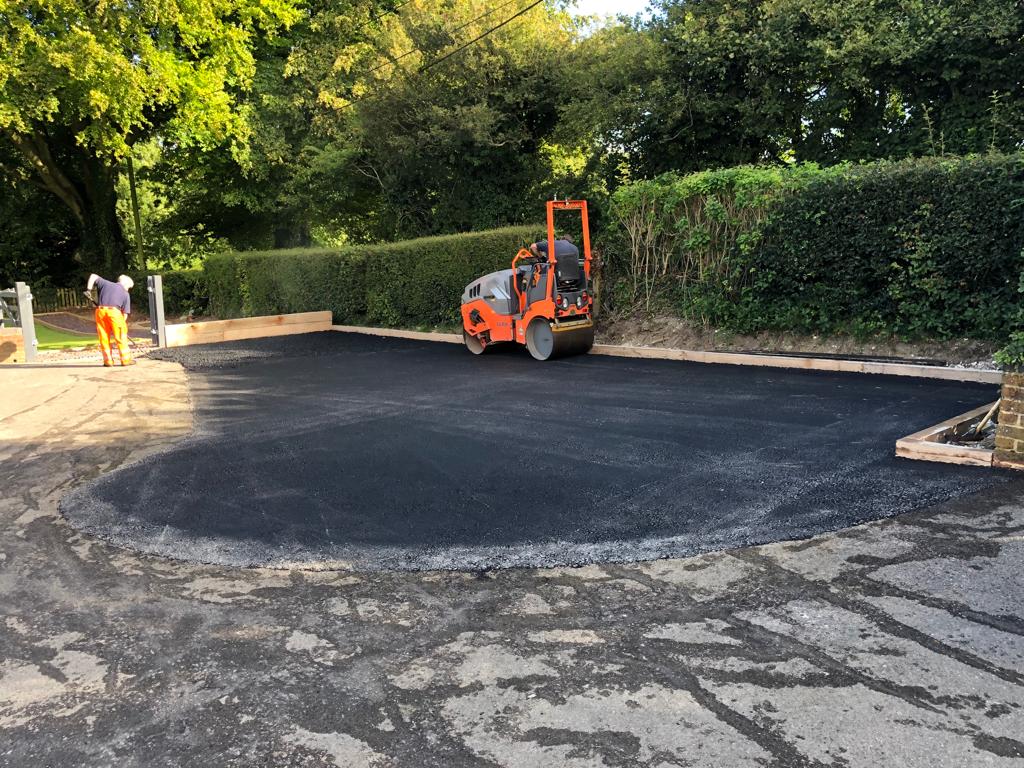
Asphalt is used across a remarkably broad range of properties because the pavement can be designed around very different traffic conditions and operational requirements. A residential driveway, commercial access area and industrial hardstand may all use asphalt, but the structure beneath the surface and the preparation required can vary considerably.
The versatility of asphalt comes from its combination of strength, flexibility and a smooth, continuous finish. When supported by a correctly prepared base, suitable drainage and professional compaction, it can provide dependable surfacing for everything from everyday vehicle access to areas experiencing frequent heavy traffic.
For property owners and businesses in Muswellbrook, NSW, understanding why asphalt works across these different environments can help when considering a new pavement, replacing a deteriorated surface or planning resurfacing work.
Why Can Asphalt Be Used Across So Many Different Sites?
Asphalt is not a single pavement specification applied in exactly the same way to every property. Its construction can be adapted according to the intended use of the area.
Factors such as vehicle type, traffic frequency, turning movements, stationary loads, drainage and the condition of the underlying ground all influence how a pavement should be prepared.
This adaptability means asphalt can provide a practical surface for relatively straightforward residential access while also forming part of more substantial pavements required for commercial and industrial operations.
Asphalt for Residential Driveways
Residential driveways need to withstand repeated vehicle movements while providing convenient access to and from the property.
A properly constructed asphalt driveway provides a smooth, bound surface without the loose aggregate associated with unsealed access areas. This makes everyday driving, reversing, parking and manoeuvring straightforward.
Because the surface is continuous, there are also fewer opportunities for loose material to be displaced into wheel tracks or pushed towards driveway edges.
The result is a practical pavement that can accommodate regular household vehicle movements when the underlying structure has been prepared appropriately.
Why the Driveway Base Is Important
The visible asphalt is only one component of a residential driveway.
Vehicle loads need to be transferred through the asphalt into a stable supporting base. If the underlying material is poorly compacted or contains weak sections, movement can eventually become visible at the surface.
Rutting, depressions and cracking can all develop where the pavement underneath does not provide adequate support.
Professional driveway construction therefore begins with preparation rather than asphalt placement. Establishing suitable levels, correcting unsuitable areas and thoroughly compacting the base provide the foundation the finished surface requires.
Asphalt for Commercial Properties
Commercial sites can have more complicated traffic patterns than residential properties.
Staff vehicles, customers, deliveries and service vehicles may all use the same pavement. Entrances and exits can experience particularly frequent traffic, while loading areas and turning points may receive concentrated vehicle movements throughout the day.
Asphalt is well suited to these conditions because the pavement structure can be designed around the expected usage.
A properly surfaced commercial area also creates a clearly defined and consistent surface for vehicle access, parking and manoeuvring.
Commercial Access Roads and Parking Areas
Regularly used access roads need a pavement capable of maintaining a consistent running surface under repeated traffic.
Likewise, parking areas experience a mixture of moving and stationary vehicle loads. Entrances, intersections within the property and frequently used parking sections can receive considerably more wear than quieter areas.
Asphalt provides a bound wearing surface that can accommodate these traffic patterns when the supporting pavement has been designed appropriately.
Correct grading is also important so rainfall moves away from the trafficked area rather than remaining in depressions.
Asphalt for Industrial Sites
Industrial pavements may experience substantially greater demands.
Heavy vehicles, machinery, loading operations and repeated turning can place considerable stress on the pavement. Some areas may also support stationary equipment or vehicles for extended periods.
Asphalt can still be highly suitable for these environments, but pavement design becomes particularly important.
An industrial asphalt surface should not simply be viewed as a thicker version of a residential driveway. The complete pavement needs to reflect the loads and operational activities expected across the site.
Hardstands and Operational Areas
Hardstands are a common application where strong, stable external surfaces are required.
They may be used for vehicle parking, machinery movements, equipment storage, loading operations or other working activities. Because these uses can create concentrated loads, the strength of the pavement underneath the asphalt is critical.
A properly constructed hardstand distributes loads through the pavement rather than relying on the surface layer alone.
Understanding exactly how the hardstand will be used allows the preparation, base and surfacing approach to be matched to the site’s requirements.
Asphalt Handles Regular Vehicle Movements Well
One of asphalt’s main advantages is its suitability for repeated traffic.
Vehicle tyres continually apply loads to the same wheel paths. Braking, accelerating and steering also introduce forces across the pavement, particularly around entrances, corners and turning areas.
A correctly constructed asphalt pavement combines surface strength with a useful degree of flexibility, allowing it to accommodate normal traffic stresses.
This characteristic is valuable whether the pavement serves a frequently used driveway or a busy operational area.
A Smooth Surface Improves Everyday Usability
Surface consistency matters across residential, commercial and industrial properties.
Potholes, loose material, ruts and uneven sections can make vehicle access less comfortable and can interfere with how efficiently an area is used.
Asphalt creates a relatively smooth and continuous surface, making it suitable for parking, vehicle manoeuvring and general access.
For commercial and industrial properties, this can also help create more clearly defined operational areas compared with an irregular unsealed surface.
Asphalt Can Be Designed Around Different Traffic Loads
Not every section of a property experiences identical loading.
A residential parking area may predominantly accommodate passenger vehicles, while a commercial entrance could experience frequent delivery traffic. An industrial turning area may need to support substantially heavier vehicles.
Professional pavement planning takes these differences into account.
Rather than assuming the same preparation is suitable everywhere, the pavement can be constructed according to anticipated vehicle types, frequency of use and concentrated loading.
This is one of the reasons asphalt can be used successfully across such a wide range of properties.
Drainage Is Essential on Every Type of Site
Regardless of whether the pavement is residential, commercial or industrial, water management is fundamental.
Standing water can enter cracks and contribute to deterioration within the supporting pavement. Low sections and wheel ruts may make this problem worse by holding rainfall on the surface.
Correct grading helps establish appropriate falls so water moves away from the main trafficked area.
Drainage conditions surrounding the pavement should also be considered. A well-constructed asphalt surface can still deteriorate prematurely if water is continually directed towards it from elsewhere on the property.
Correct Compaction Supports Long-Term Performance
Compaction helps the different layers of an asphalt pavement work together effectively.
Base materials need to be adequately consolidated before surfacing begins. The asphalt itself also requires professional placement and compaction to achieve the appropriate density and consistency.
Poorly compacted sections can continue settling after the pavement enters service, potentially leading to depressions, movement and cracking.
This is particularly important on commercial and industrial sites where repeated or heavy traffic can quickly expose weaknesses in pavement construction.
Asphalt Can Be Maintained as It Ages
All pavements gradually change through traffic and environmental exposure.
One advantage of asphalt is that developing defects can often be addressed through appropriate maintenance. Localised cracks or damaged sections can be assessed and repaired before deterioration becomes more widespread.
Potholes should also be investigated rather than repeatedly ignored, particularly when they begin appearing in the same area.
Timely maintenance helps protect the surrounding pavement and provides an opportunity to identify underlying issues such as water ingress or localised base weakness.
Resurfacing Can Renew a Serviceable Pavement
An ageing asphalt pavement does not automatically require complete reconstruction.
Where the supporting structure remains stable but the wearing surface has become extensively weathered or deteriorated, resurfacing may be suitable.
The existing pavement should first be inspected and defects requiring deeper attention corrected. Once appropriate preparation has been completed, a new asphalt wearing course can restore surface consistency and provide renewed protection to the pavement underneath.
This makes asphalt particularly practical for sites where maintaining dependable vehicle access is an ongoing requirement.
When Asphalt Alone Cannot Correct the Problem
While asphalt is versatile, placing a new surface over significant structural problems is not an effective solution.
Deep settlement, widespread base failure, severe rutting and persistent drainage problems need to be investigated before new asphalt is installed. Otherwise, movement beneath the surface may eventually become visible through the new pavement.
The same principle applies whether the project involves a residential driveway or an industrial hardstand.
Good asphalt surfacing begins with understanding what is happening underneath the existing surface.
Why Professional Pavement Assessment Matters
The most appropriate asphalt construction method depends on how the site will actually be used.
A professional assessment can consider:
- Existing ground and pavement condition
- Expected vehicle types
- Frequency of traffic
- Turning and braking areas
- Stationary or concentrated loads
- Drainage requirements
- Existing pavement defects
- Areas requiring additional preparation
These factors help determine what preparation is required before surfacing begins.
At Muswellbrook Road Tek, we assess the broader pavement requirements rather than treating asphalt as a surface layer alone. Matching the preparation and surfacing approach to the intended use of the site helps create a more dependable result.
Conclusion
Asphalt is suitable for residential, commercial and industrial sites because it combines a smooth, durable wearing surface with the flexibility to be incorporated into pavements designed for very different levels of use.
For residential properties, it can provide dependable everyday driveway access. Commercial sites can benefit from consistent parking, access and delivery surfaces, while industrial pavements can be designed to accommodate heavier vehicles, machinery and operational traffic.
In every application, however, the quality of the foundation, drainage, grading and compaction remains critical. The asphalt surface performs best when the entire pavement has been designed and prepared for the traffic it will actually receive.
For property owners and businesses in Muswellbrook, NSW, Muswellbrook Road Tek provides professional asphalt and bitumen surfacing and resurfacing for driveways, roads, hardstands and access areas. If you are considering a new surface or an existing pavement is beginning to deteriorate, arranging a professional assessment can help identify the most appropriate surfacing approach for the site.
Call us on: 02 5301 9087
Click here to find out more about Muswellbrook Road Tek
Click here to complete our contact form and see how we can help with your Asphalt and Bitumen Surfacing needs.