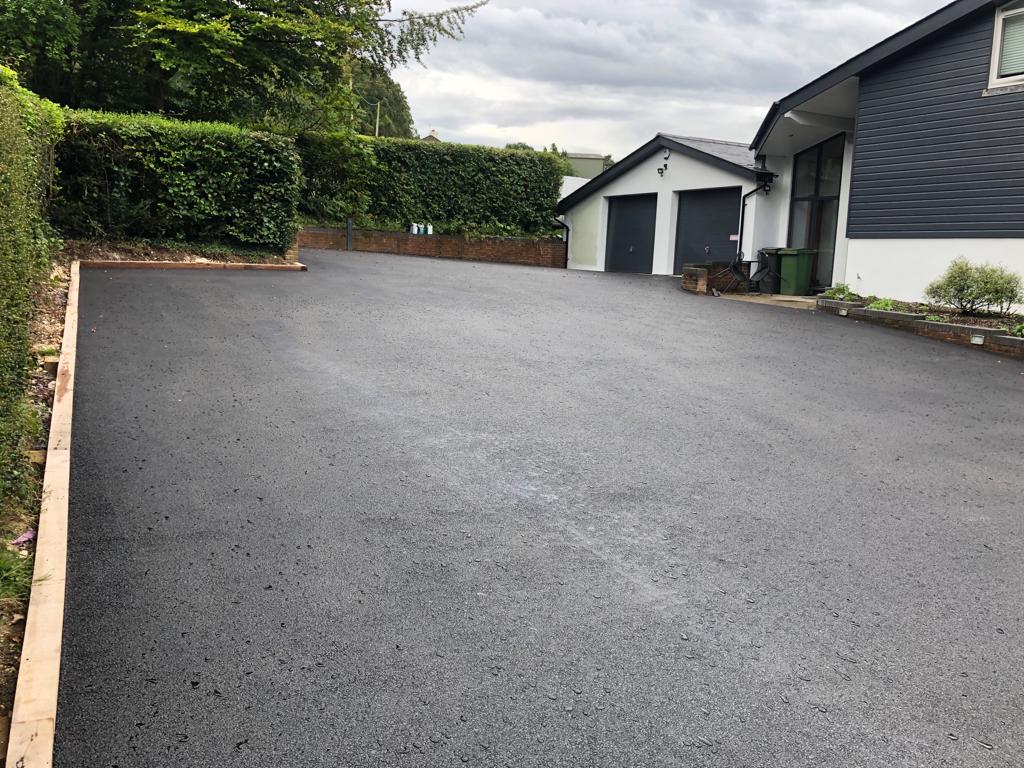
Unsealed roads depend on their shape, surface material and drainage to remain practical under regular traffic. Unlike a sealed pavement, the wearing surface can gradually move as vehicles pass over it and rainfall affects the road. Without periodic grading, relatively minor irregularities can develop into potholes, corrugations, wheel ruts and drainage problems that make the road increasingly difficult to use.
For property owners and businesses in Muswellbrook, NSW, regular road grading can play an important role in maintaining dependable access and preserving the condition of an unsealed pavement. Muswellbrook Road Tek provides professional grading and road preparation focused on restoring the road profile, improving drainage and addressing deterioration before it becomes more extensive.
Why Do Unsealed Roads Need Grading?
Traffic continually moves and redistributes loose pavement material. Vehicle tyres can push material away from wheel paths, while braking, acceleration and turning place additional stress on particular sections.
Rainfall can also alter the road by washing material away, creating channels and exposing weaknesses in the pavement.
Grading is used to reshape the road and restore an appropriate profile. Depending on the existing condition, this can include redistributing suitable material, correcting irregularities and establishing appropriate falls for water runoff.
When this maintenance is delayed for too long, several problems can begin developing simultaneously.
Potholes Can Become Larger and More Frequent
Small depressions can collect water, and repeated vehicle movements over these weakened areas can gradually remove additional material. What begins as a minor indentation may eventually develop into a substantial pothole.
Once several potholes appear across the same section, drivers often begin moving around them. This can widen the affected traffic area and place additional pressure on road edges and previously undamaged sections.
Regular grading can help correct developing irregularities before the road becomes dominated by recurring potholes.
Corrugations Can Make the Road Increasingly Rough
Corrugations are the repetitive ridges and depressions that commonly develop across unsealed surfaces.
They can form as repeated vehicle movements displace loose material, particularly in areas where vehicles accelerate, brake or travel at consistent speeds. Without maintenance, these ripples can become increasingly pronounced.
Severe corrugations can result in:
- Rougher driving conditions
- Reduced vehicle stability
- Greater vibration
- Increased movement of loose material
- Less consistent vehicle access
Professional grading can reshape affected sections and restore a more even road profile where the pavement condition allows.
Wheel Ruts Can Become Deeper
Vehicles tend to follow similar wheel paths along an access road. Over time, these concentrated loads can create depressions in the pavement.
Without grading, shallow wheel tracks can gradually become deeper ruts. These depressions can then collect rainfall, introducing another source of deterioration.
Deep rutting can also indicate that the problem extends beyond the surface material. Where the pavement underneath has become unstable, additional preparation may be required rather than simply reshaping the road.
Drainage Can Gradually Stop Working Properly
Effective drainage is fundamental to the performance of an unsealed road.
A well-shaped road encourages rainfall to move away from the travelled surface rather than remaining in wheel tracks and depressions. As the road loses its profile, water may begin flowing along the road instead of away from it.
Poor drainage can contribute to:
- Standing water
- Pothole development
- Erosion
- Soft pavement sections
- Washouts
- Deteriorating road edges
This relationship between road shape and water movement is one of the main reasons grading is more than simply smoothing a rough surface.
Erosion Can Become More Significant
Once uncontrolled water establishes a path across or alongside an unsealed road, it can begin carrying pavement material away.
Small channels can gradually deepen, while shoulders and edges may lose material during periods of rainfall. If erosion continues, the road profile can become increasingly difficult to restore through routine maintenance alone.
Maintaining suitable levels and drainage pathways helps control how water moves around the road.
Loose Material Can Move Away From Where It Is Needed
Unsealed roads rely on appropriately distributed pavement material to maintain a consistent driving surface.
Repeated traffic can push loose material towards road edges or create accumulations between wheel paths. If this continues without grading, some sections may lose useful material while others develop ridges and loose deposits.
Professional grading can redistribute suitable existing material and restore a more consistent profile where conditions permit.
Road Edges Can Begin to Break Down
Drivers naturally move towards the sides of a road when avoiding potholes, corrugations or standing water. Increased traffic along these areas can place additional pressure on road shoulders and edges.
As edge deterioration progresses, the usable width of the road may become less consistent.
Damaged edges can also affect drainage, particularly where displaced material interferes with the intended movement of surface water.
Heavy Traffic Can Accelerate Deterioration
Traffic volume and vehicle type influence how frequently an unsealed road requires attention.
Roads regularly carrying heavier vehicles can experience greater displacement and deformation of pavement materials. Turning areas, entrances and sections where vehicles brake or accelerate can deteriorate particularly quickly.
For heavily used roads in Muswellbrook, maintenance requirements should therefore reflect how the road actually operates rather than following an arbitrary grading schedule.
Driving Conditions Can Become Less Predictable
A neglected unsealed road does not necessarily deteriorate evenly.
One section may develop corrugations while another experiences potholes, rutting or erosion. Drivers then encounter constantly changing conditions along the route.
Maintaining a more consistent road profile helps provide predictable vehicle access and reduces the need for drivers to continually avoid damaged sections.
Can Grading Fix Every Neglected Unsealed Road?
Not necessarily.
Grading is highly effective for restoring the shape of a road when sufficient suitable pavement remains and the underlying structure is reasonably stable. However, it cannot permanently correct every form of deterioration.
If neglect has resulted in:
- Deep structural rutting
- Large washouts
- Extensive loss of pavement material
- Persistently soft sections
- Major drainage failures
- Widespread pavement instability
additional road preparation or reconstruction may be required.
This is why professional assessment becomes increasingly important when a road has gone without maintenance for an extended period.
Regular Grading Can Help Preserve the Road
The purpose of grading is not simply to make an unsealed road look tidy. Undertaken at an appropriate stage, it helps maintain the road’s functional shape before deterioration becomes severe.
Effective grading can help:
- Restore smoother vehicle access
- Correct developing corrugations
- Reduce minor rutting
- Maintain appropriate surface falls
- Improve water runoff
- Redistribute suitable pavement material
- Prepare the road for future surfacing where required
The appropriate frequency depends on traffic, pavement materials, weather exposure and the individual road.
Why Professional Grading Matters
Effective grading requires more than repeatedly passing machinery over a rough road. Removing bumps without restoring the correct road profile can leave drainage problems unresolved, while cutting too deeply can disturb material that should remain in place.
Professional road grading considers the complete pavement, including:
- Existing road shape
- Location of defects
- Material condition
- Drainage patterns
- Traffic requirements
- Road edges and shoulders
- Areas showing possible structural weakness
This broader approach helps ensure grading addresses the causes contributing to poor road performance rather than simply producing a temporarily smoother appearance.
Conclusion
Leaving an unsealed road without regular grading can allow potholes, corrugations, wheel ruts, erosion and drainage problems to become progressively worse. As the road loses its intended profile, water and traffic can accelerate deterioration, potentially turning routine maintenance requirements into more substantial pavement problems.
For property owners and businesses in Muswellbrook, NSW, Muswellbrook Road Tek provides professional road grading and pavement preparation based on the existing condition and use of each road. If an unsealed road is becoming increasingly rough, rutted or difficult to maintain, arranging a professional assessment can help determine whether grading can restore the surface before more extensive work becomes necessary.
Call us on: 02 5301 9087
Click here to find out more about Muswellbrook Road Tek
Click here to complete our contact form and see how we can help with your Asphalt and Bitumen Surfacing needs.